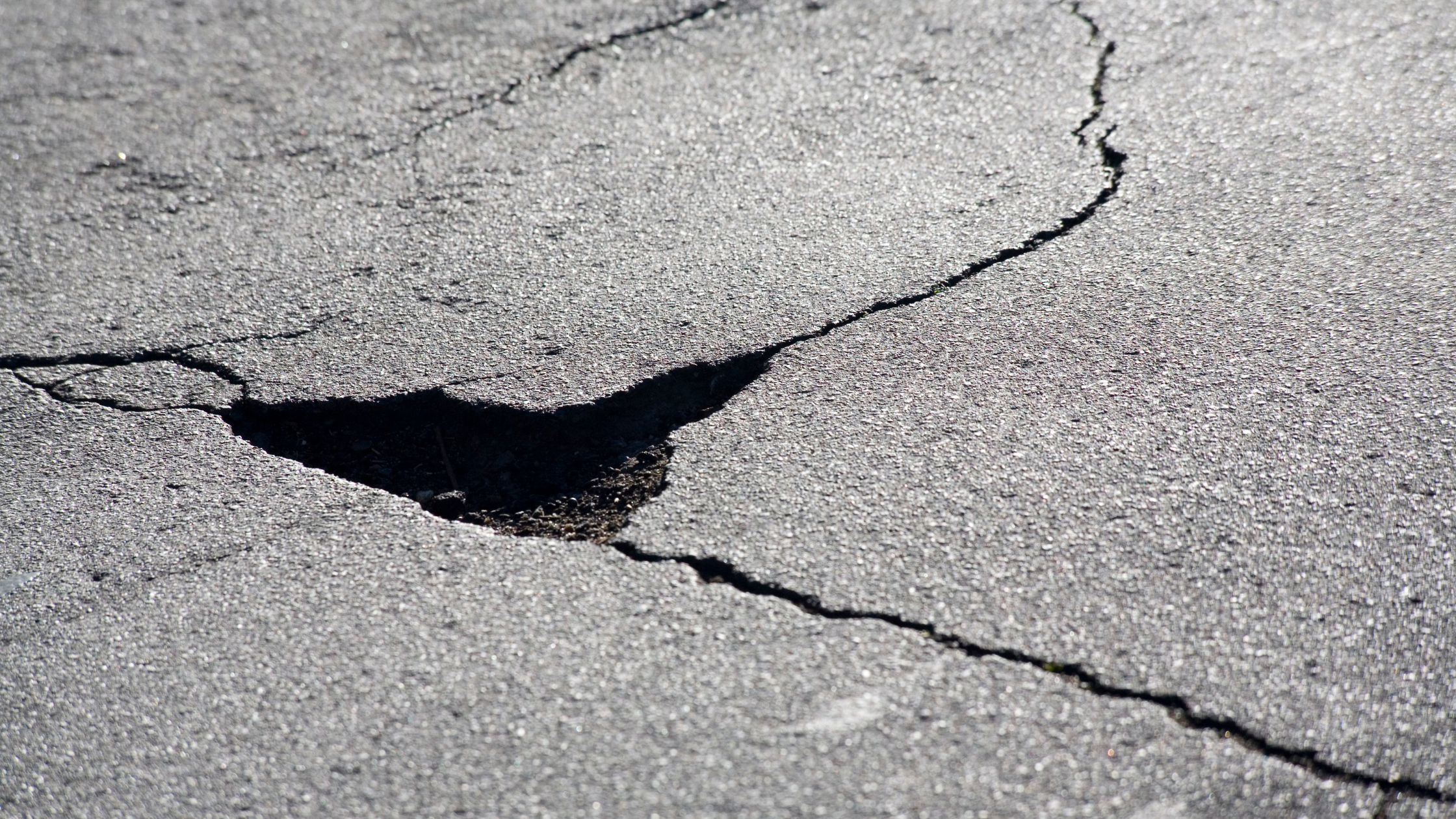
Occupiers’ Liability in Alberta: Lessons from a BC Pothole Case
A recent British Columbia decision, Tommy v. 7-Eleven Canada, Inc., 2024 BCSC 1558, offers a useful reminder for Alberta property owners and businesses. A customer tripped on an unrepaired pothole in a 7-Eleven parking lot, and the court held the company responsible.
Who is an occupier?
Under Alberta’s Occupiers’ Liability Act, an occupier is anyone in physical possession of a premises, or anyone who controls its condition or who may permit people to enter. Landlords, store owners, and property managers can all qualify. Occupiers must take reasonable care to make sure visitors are reasonably safe while on the property.
Why 7-Eleven was found liable
The court looked at how the company handled maintenance and hazard reporting. Employee training on exterior upkeep was optional and unenforced, and there was no reliable process for inspecting the property or acting on problems. That fell short of the standard expected of an occupier.
Takeaways for Alberta occupiers
- Follow your system. A maintenance policy only helps if staff are trained and it is actually enforced.
- Act quickly. Prompt repairs matter, and so do interim measures such as cones or clear warnings. In Alberta, that includes prompt snow and ice management.
- Keep records. Inspection logs can help show you took reasonable care.
Tommy v. 7-Eleven Canada, Inc., 2024 BCSC 1558 is a BC decision and isn’t binding in Alberta, but courts here apply a similar reasonable-care standard, so the reasoning is instructive.
If you were hurt in a slip, trip, or fall on someone else’s property, speak with a lawyer promptly. Alberta’s limitation period is generally two years.
Frequently Asked Questions
An occupier is generally whoever has physical possession of a property or controls its condition and who can allow people to enter. That can be an owner, a tenant, a business, or a property manager, and more than one party can be an occupier of the same property.
Under Alberta’s Occupiers’ Liability Act, occupiers must take reasonable care to make sure people on the premises are reasonably safe. The law does not demand perfection, but it does expect sensible, consistently followed safety practices.
They can be. If an owner or occupier fails to clear or treat walkways and parking areas within a reasonable time, they may be liable for resulting falls. What counts as reasonable depends on the weather, the type of property, and how quickly the hazard was addressed.
Not automatically. A sign can be part of taking reasonable care, but it usually doesn’t replace fixing a hazard you know about, especially when the danger could be repaired quickly.
Disclaimer: This content is provided solely for informational purposes and is not intended for use in any legal proceeding. You should consult a qualified lawyer for advice tailored to your specific circumstances.
