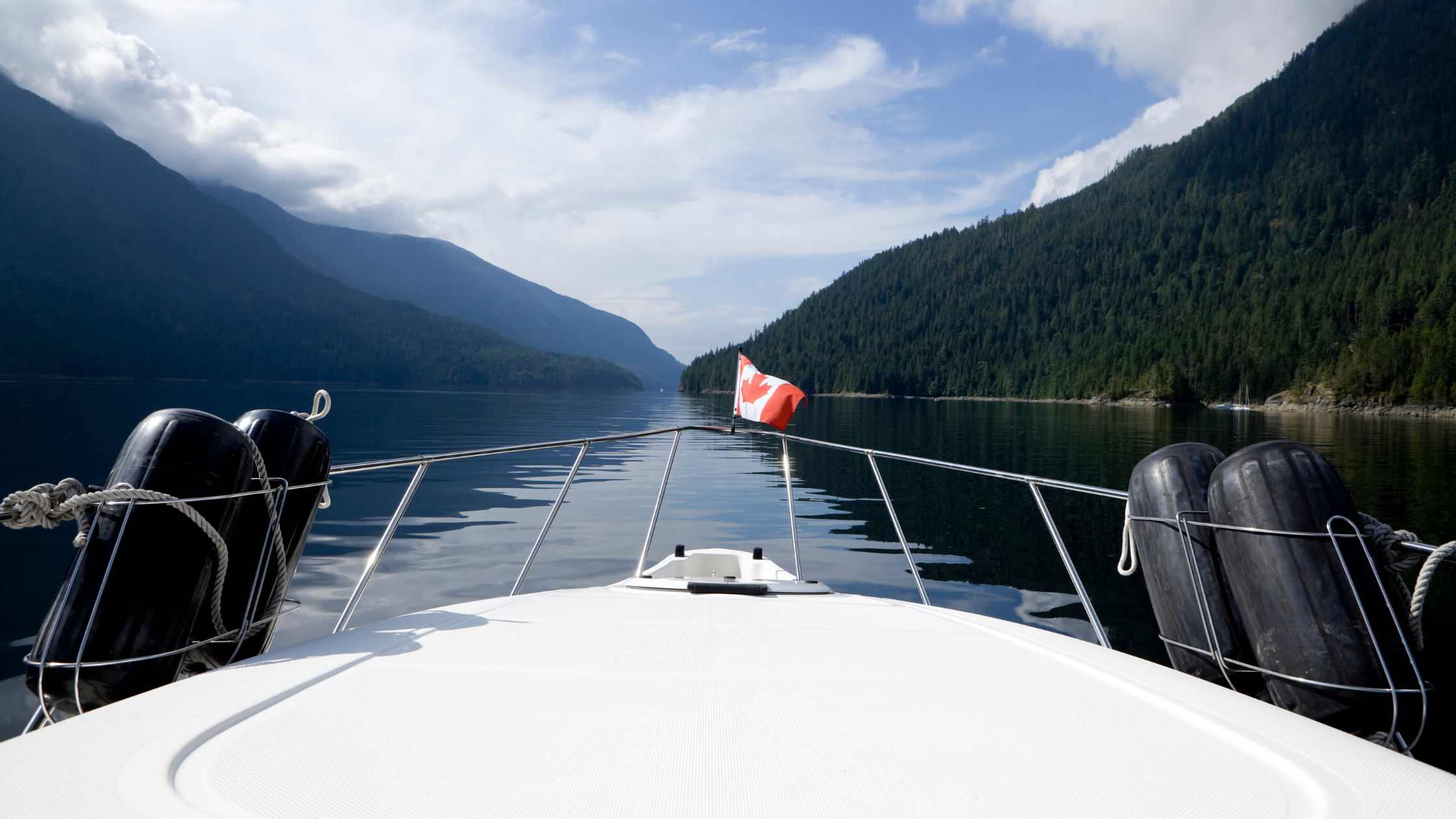
Injured in a Boating Accident in Alberta? Here’s What You Should Know About Your Legal Rights
Boating accidents can happen on Alberta’s lakes and rivers in an instant, leaving passengers and operators with serious injuries and difficult questions about liability. Whether the accident involves a recreational boat, fishing vessel, personal watercraft, or guided tour, understanding your legal rights is an important first step toward recovery.
Although Alberta is landlocked, boating accidents are often governed by Canadian maritime law, alongside other legal principles that may apply depending on the circumstances. If someone else’s negligence contributed to the accident, you may have the right to pursue a personal injury claim for your losses.
Who Can Be Held Responsible for a Boating Accident?
Determining liability depends on how the accident occurred.
Potentially responsible parties may include:
- The operator of the vessel.
- The owner of the boat.
- A commercial boating or tour company.
- Another vessel operator.
- In some cases, the manufacturer of defective equipment.
An investigation may examine whether the vessel was properly maintained, whether safety equipment was available and functioning, and whether the operator complied with applicable boating safety requirements.
Liability is based on the facts of each case and whether reasonable care was exercised.
Can I Sue for Injuries After a Boating Accident?
If another party’s negligence caused or contributed to your injuries, you may be entitled to seek compensation.
Depending on your circumstances, damages may include:
- Medical expenses.
- Lost wages and reduced earning capacity.
- Rehabilitation and future care costs.
- Out-of-pocket expenses.
- Pain and suffering.
Where a boating accident results in a fatality, certain family members may also have legal rights to pursue compensation under Alberta law.
What Should I Do After a Boating Accident?
Protecting your health should always come first.
If possible:
- Seek medical attention, even if your injuries seem minor.
- Report the accident where appropriate.
- Take photographs of the scene, vessel damage, and visible injuries.
- Obtain contact information for witnesses.
- Keep records of your medical treatment and expenses.
- Speak with a personal injury lawyer before accepting responsibility or settling your claim.
Taking these steps can help preserve important evidence if a legal claim becomes necessary.
Why Are Boating Accident Claims Different?
Unlike many other personal injury claims, boating accidents often involve a combination of federal maritime legislation, boating safety regulations, and negligence law. Determining who is legally responsible may require reviewing maintenance records, weather conditions, operator conduct, vessel inspections, and witness evidence.
Because these claims can be legally complex, obtaining early legal advice may help protect your rights and preserve key evidence.
How Can Watson Goepel Help?
At Watson Goepel LLP, our personal injury lawyers have extensive experience helping clients navigate complex negligence claims. We work with accident reconstruction experts, medical professionals, and other specialists to investigate boating accidents, determine liability, and pursue fair compensation for injured individuals and their families.
Whether your injuries occurred on a recreational lake, reservoir, or river in Alberta, our team can help you understand your legal options and guide you through the claims process.
Disclaimer: This content is provided solely for informational purposes and is not intended for use in any legal proceeding. You should consult a qualified lawyer for advice tailored to your specific circumstances.
Frequently Asked Questions
Yes. If another person’s negligence caused the accident, injured passengers may have the right to seek compensation.
Liability can sometimes be shared between multiple parties. A legal investigation will examine the facts to determine responsibility.
Limitation periods may apply, and missing a deadline can affect your legal rights. It is advisable to seek legal advice as soon as possible after an accident.


